Terminals +info
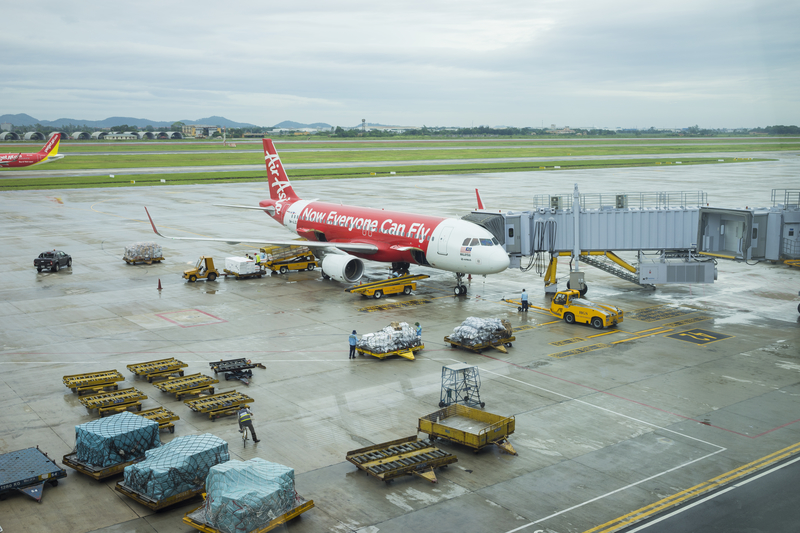
Hanoi Noi Bai International Airport (HAN) operates with two separate terminals designed to handle domestic and international traffic efficiently.
Terminal 1 serves all domestic flights and offers essential services in a functional layout, while Terminal 2 is a modern international facility with improved comfort, larger spaces and a wider range of amenities.
Although both terminals are well signposted, they are located several kilometers apart, so passengers should always confirm their departure terminal in advance to ensure a smooth journey.
Reviews +info
On this website, you will find valuable tips and reviews about Noi Bai International Airport, designed to help you navigate your travel experience smoothly. These reviews can help you understand what to expect in terms of service quality, cleanliness, and overall passenger experience.
-Our Review of Hanoi Airport
-Pros and Cons of HAN Airport
-Mini-Guide of the Airport (2’ Guide)
-Other reviews
-Some Stat
Transportation +info
Hanoi Noi Bai International Airport (HAN) offers several transport options connecting the airport with Hanoi city centre and surrounding regions.
Travellers can choose between buses, taxis, ride-hailing services such as Grab and private car transfers, depending on their budget and preferences.
The airport is located about 30 km from the city, with typical journey times ranging from 30 to 60 minutes.
While buses provide an affordable option, taxis and ride-hailing services are the most convenient and widely used by international visitors.
Contact Information
About Hanoi and Vietnam
Hanoi, the capital of Vietnam, is a vibrant city where ancient traditions blend seamlessly with modern life. Known for its bustling streets, rich history and unique cultural identity, Hanoi offers visitors an authentic Southeast Asian experience. From colonial architecture to peaceful lakes and lively markets, the city is full of contrasts that make it both exciting and memorable.
What to See in Hanoi
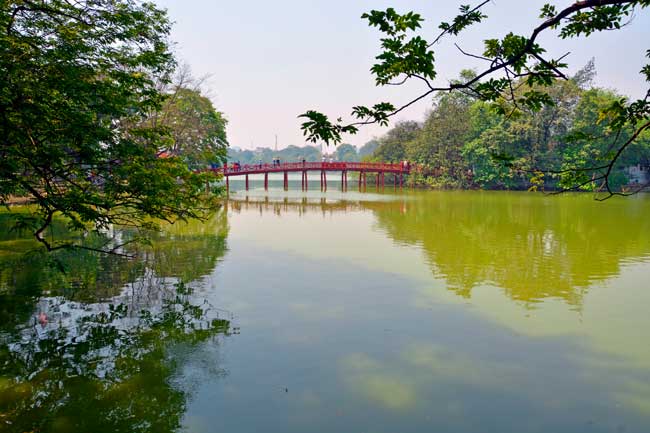
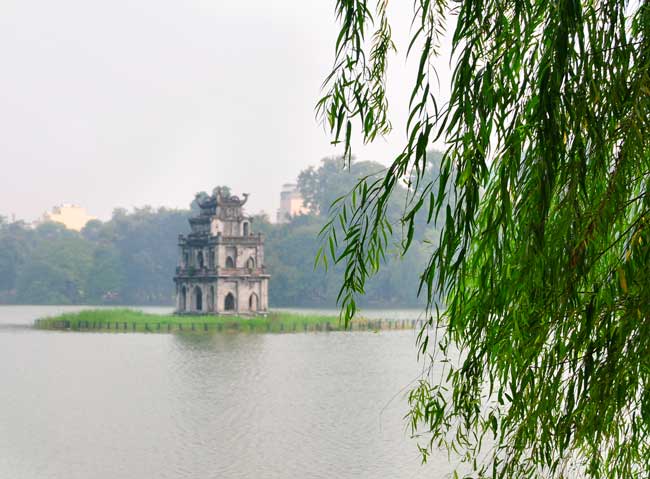
The heart of the city is the Old Quarter, a maze of narrow streets filled with shops, street food vendors and traditional houses. Each street historically specialized in a specific trade, and today it remains one of the most dynamic areas in Hanoi. Nearby, Hoan Kiem Lake is a peaceful escape from the busy streets and a popular spot for both locals and tourists.
Another must-visit is the Ho Chi Minh Mausoleum, where visitors can learn about the country’s history and its most important leader. The Temple of Literature, Vietnam’s first university, offers a quieter and more reflective atmosphere, showcasing traditional architecture and gardens.
For a more local experience, West Lake provides scenic views, cafés and temples, while the French Quarter highlights colonial-era buildings and wide boulevards.
Public Transport
Getting around Hanoi can be an adventure in itself. The city offers buses as the main form of public transport, which are affordable but can be confusing for first-time visitors. Taxis and ride-hailing apps such as Grab are widely available and are the most convenient way to move around the city.
Walking is also a great option in areas like the Old Quarter, where many attractions are close together. However, crossing the streets requires confidence, as traffic can be intense.
Travel Tips & Recommended Routes
A great way to explore Hanoi is to start your day at Hoan Kiem Lake, then walk into the Old Quarter to experience local markets and street food. From there, visit the Temple of Literature or the Ho Chi Minh complex to explore the city’s cultural and historical side.
For a different perspective, consider a street food tour or a cyclo ride through the Old Quarter. These experiences provide a deeper understanding of local life and cuisine.
Day trips from Hanoi are highly recommended. Ha Long Bay, a UNESCO World Heritage Site, is famous for its limestone islands and boat cruises. Ninh Binh, often called “Halong Bay on land,” offers stunning landscapes with rivers, caves and rice fields. Sapa, located further north, is known for its mountain scenery and ethnic minority villages.
Events & Local Activities
Hanoi hosts various cultural events throughout the year, particularly during traditional festivals such as Tet (Vietnamese New Year), when the city becomes especially vibrant and festive.
Weekend night markets in the Old Quarter are a highlight, offering street food, souvenirs and live performances. Traditional water puppet shows are another unique cultural experience not to be missed.
Food is a central part of Hanoi’s culture, and trying local dishes such as pho, bun cha and egg coffee is essential. Cooking classes and food tours are popular activities for visitors who want to learn more about Vietnamese cuisine.
Summary
Hanoi is a city full of energy, history and culture, offering a rich and immersive travel experience. Whether exploring its historic streets, tasting its famous cuisine or discovering nearby natural wonders, visitors will find plenty to enjoy in and around Vietnam’s capital.